Not all AI SOCs are created equal: Interactive
AI SOCs are increasingly needed to process alerts at machine speed, but not all SOCs are the same.
AI has entered the SOC faster than any preceding technology, and 79 percent of respondents to the 2026 SANS SOC survey are already using it. Yet only 36 percent have integrated it into a defined workflow.
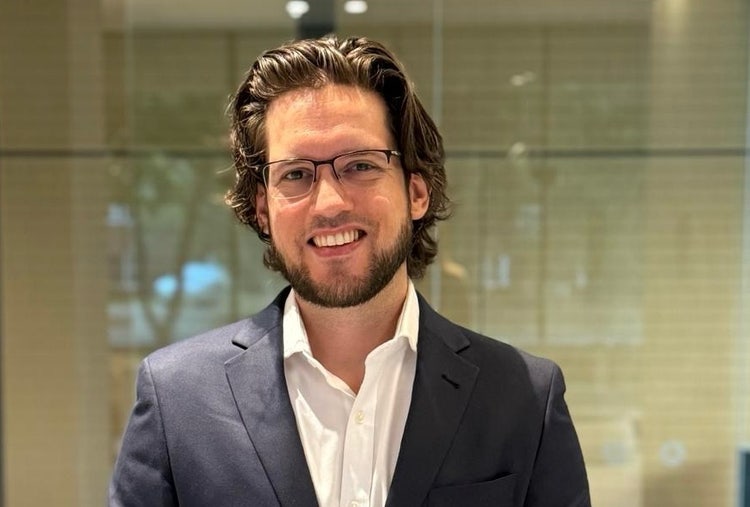
Chris Pallister, head of managed security services at Interactive, noted that there isn't a single definition of an AI SOC and different providers may use the term differently.
“At Interactive, an AI SOC refers to the use of AI, automation and security orchestration within the SOC to gather and enrich security information, identify patterns and potential threats and put the relevant context in front of analysts much faster,” he said.
“The AI accelerates the triage and investigation steps – the human remains responsible for judgement and response,” he added.
The SANs report noted that the SOC has always depended on expert human judgment to interpret what tools produce. As AI-generated outputs become more prevalent, the ability to verify and challenge those outputs becomes more important, not less.
Pallister acknowledged that threat actors are using AI to move faster and defenders need to be able to respond at the same speed, but an AI SOC shouldn’t replace the security operations team.
“Much like SOAR and SIEM, AI enhances their ability to detect and respond. For us, it's about using AI to augment our analysts and get the right information in front of them much faster, so they can make faster decisions,” he told CRN Australia.
He also stressed that not every AI SOC is equal and customers need to ask the right questions of providers to understand what they’re getting harness and its full potential.
“Can [providers] explain how the engine works, where your security data is processed, whether it's being used to train the model, where the AI stops and a human takes over, and whether it was built in Australia. If a provider can't answer those clearly, that's the moment to pause,” he explained.
Local team expertise
Interactive’s AI SOC has been built by its local team and is supported by the security orchestration, automation and response capability developed through responding to real-world security incidents and alerts.
The importance of bringing security data together is highlighted in the SANS survey, which found that SOCs ingesting all their data into a SIEM reported higher technology satisfaction than lower-capability peers.
“The AI isn't simply looking at an alert in isolation. The automation gathers and enriches the relevant security context, while AI helps process that information and identify what's happening, potential gaps and where the analyst needs to focus,” he said.
Data enrichment also happens before information reaches the AI model, Pallister said.
“Our customer data is never fed into the AI model, only the surrounding context of the alert. Our enrichment process happens before the model, where we use commercial platforms to validate things like malicious IP addresses, which is then given to the mode,” he said.
As a result, Interactive has reduced response times from 40-45 minutes to approximately seven minutes.
“The objective isn't to have AI independently making every security decision, it's to compress the time between an alert being generated and an analyst having the context they need to act,” said Pallister.
Human oversight and transparency are critical
SANS warns that analysts who produce AI-generated results they cannot validate represent an operational risk. It says the ability to verify and challenge AI outputs becomes more important as AI use increases. Human oversight is necessary to assess information and make a decision.
“AI can identify patterns extremely quickly, but it still needs experienced analysts who understand the customer's environment and can apply judgement to what they're seeing,” he said.
Pallister said that AI SOC is transparency is critical and service providers should know what they’re engine is doing and be able to explain it to customers..
“Organisations should understand what is happening to their security data, how AI is being used, where the technology stops and human judgement begins, and who ultimately remains accountable for the response,” he said.