DEEP DIVE: The talent shortage isn’t technical, it’s cultural
Partners explain what they’re doing to find the perfect hire in the age of AI.
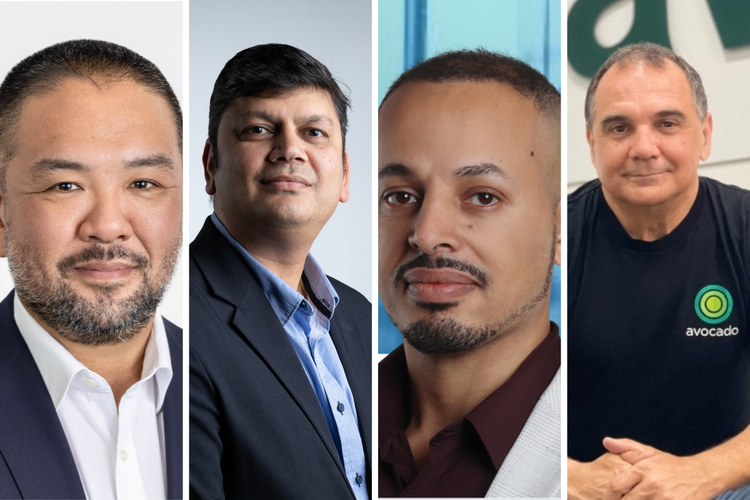
The talent shortage within the Aussie IT industry isn’t a new phenomenon, but with AI disrupting every nook and cranny, partners are now trying to find the ideal worker which has become akin to finding a needle in the haystack.
Not only that, but customers are desiring outcomes over technology, which adds additional pressure to MSPs to ensure they can deliver what their clients want.
This has shifted what partners are looking for in a potential candidate, no longer are technical skills are “must have”, rather soft skills are a draw card for employers.
Chuong Mai-Viet, managing director at Fuse Technology told CRN Australia that they are currently in a “weird market”.
“When I find someone, they're good, but no one's applying, so we have to go out and look. The ones that are available are either too experienced or too expensive. For us, the skill shortage is not a lack of people; it's a lack of right fit.”
He explains one of his biggest bugbears when hiring, “The biggest challenge is finding engineers that want to go out on the road, go to client sites, fix things and engage with human beings.
“We're finding it hard to get those quality people that want to get out and about.”
For an on-site engineer, Mai-Viet may get hundreds of resumes, but none of them fit the bill.
“Technical skills are there to a certain extent, but it's the client-facing skills that are lacking,” he explained.
Mai-Viet and his team are being more proactive in searching for the right candidate.
“There doesn't seem to be a lot of people looking for a role,” he said.
“What I've seen is when we need someone, we have to find them and tap them on the shoulder, as opposed to putting [a job ad] out and getting good applicants.”
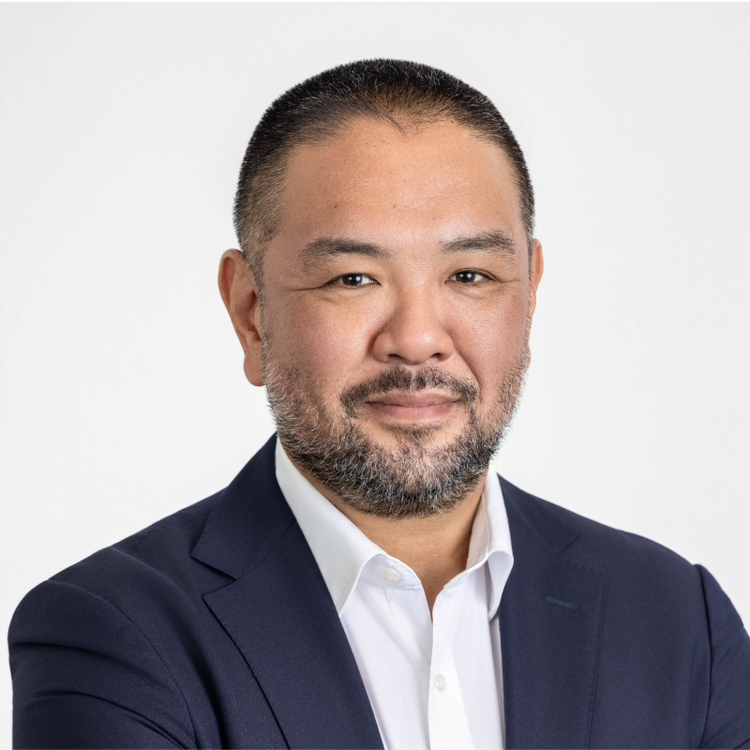
Gerardo Barranquero, CEO at Avocado Consulting is seeing a similar trend, especially as AI changes the skill sets that are required from IT workers.
“Technology moves faster than a talent pipeline,” he said.
“If you look at what's happening now, and particularly around AI, the skill set required is not purely a technical one, which is what the traditional IT providers offer, a technical solution.”
For Barranquero, the right person at Avocado has a combination of technical and soft skills.
“Technical in order to know what they're talking about and know what the solution needs to look like, but soft skills in order to sell it to the organisation or the client, because it's a journey,” he said.
What the channel is currently experiencing is not just a technical change, but a business change, according to Barranquero.
“To get the most out of the AI, the business change needs to occur as well. You not only have to say this is the technical journey we're on, but you then have to bring the rest of the business along,” he said.
Re-skilling for AI
To counteract the lack of talent in the market, MSPs are beginning to re-skill their entire workforce to keep up with the rate of change.
Raja Shah, regional VP ANZ at Infosys explained what they’re doing to make sure their staff are AI ready.
“We are having a massive reskilling activity where almost 80 percent of our AI talent today, globally as well as in Australia, is AI aware,” he said.
“They have the know-how of the broader AI tools and technologies, which we as a company are investing through Infosys Topaz Fabric.”
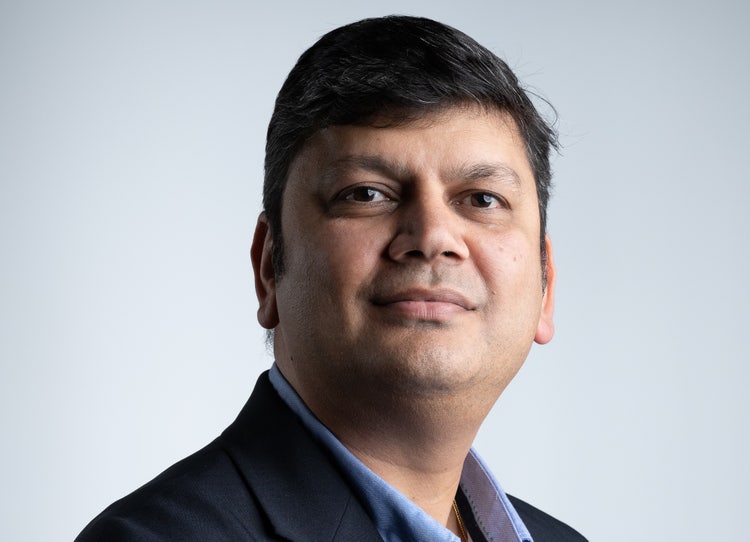
Infosys is creating “AI masters” and “AI builders” who can work hand in glove with their clients and product teams.
“We have committed to 6,000 frontier engineers in the next couple of years, who will work alongside solving the biggest problems of our clients,” he explained.
“That's something which I'm excited to bring in front of our large enterprise relationships as well as our new partner ecosystems.”
Impact of automation
While some are struggling to hire, others are using the power of automation to reduce the frequency of hiring.
Basem Al-Sabri, founder at cloud and automation solution provider Netomate told CRN Australia that he hasn’t been impacted by the talent shortage as much as other MSPs.
He explained the way the company scales is by improving capability rather than headcount.
“I lead a small team, and for us we do lead by hiring slow and by expanding our capability by adding more automation. We're very diligent when we hire,” he said.

As automation is what Al-Sabri calls a “very scarce skill set”, they are slow to hire.
“Automation generally, as opposed to having to being a software engineer, you need to have some coding experience coupled with some domain experience, and it is usually very hard to find people who have that mix of those skill sets,” he said.
“Get in or get out”
As the need for AI skills grows, some older employees are finding it hard to keep up.
Barranquero at Avocado noted that the traditional “fake it till you make it” aphorism no longer applies for hiring within the Aussie IT channel.
“I don't think [that] is going to work in this space because the speed at which AI is evolving. Unless you're doing this 24/7, you are not keeping up,” he said.
Barranquero said that the older generation in the channel is finding it a “challenge” to reinvent themselves at this stage of their career.
He said there are two options to deal with this, either “get in or get out”.
“You're seeing the evergreens of the world buying MSPs left, right, and centre because people are choosing to get out because it's hard,” he explained.
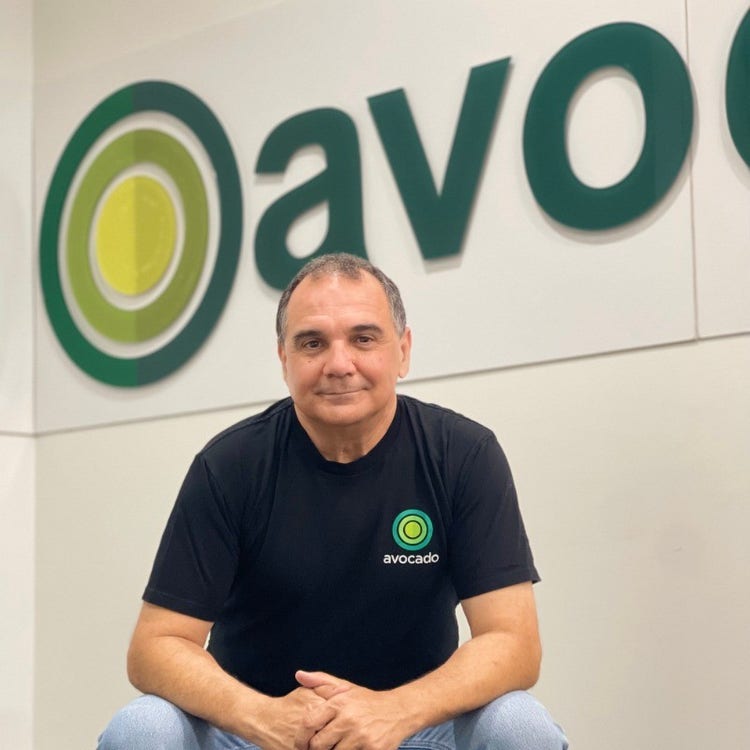
Barranquero highlighted two models that MSPs owners are using to stay up to date with AI.
"There's people out there that are providing resources to augment existing MSPs, so you can hire in resources, and then effectively you're providing that capability back out to your clients with resources,” he said.
“The other one, which I favour more, is around partnering, where you're still owning that relationship, but you're transparent with your client around [the partnership], and if you set that up properly, it works well.”
Mai-Viet has a similar adage of “grow or die” at Fuse Technology.
“You want to hire people who want to learn, you want to hire people who have that growth mindset, and if they don't fit that growth mindset within our business, they generally don't last because it's too fast for them,” he said.
“I'd rather hire someone with that attitude than say I want to hire someone with AI skills. It's AI today. Who knows what it will be next week? But if they've got the right mindset they'll figure it out.”
Having the right attitude
Mai-Viet has been in the IT channel for close to 30 years and has always struggled finding the right fit. But, he discovered one solution to counteract the hurdle.
“The only solution that ever works is that you have to find the right attitude and train them up,” he said.
“The best people that have ever worked for me have been people that have gone on that journey with me.”
Throughout his career, Mai-Viet has experienced being trained by IT leaders like Brennan IT founder Dave Stevens.
“He hired me as a 21-year-old. By the time I was 24, he made me a GM. He put a lot of effort into me, and I stuck around with him for 11 years,” he said.
"A lot of the team that built Brennan in the early years were guys that I hired as juniors, and we trained up and they're out at places like Tecala and First Focus.”
Mai-Viet is walking in his mentor’s footsteps and doing the same thing at Fuse Technology.
“I say to every staff member that you know I hire, ‘I want you one day to replace me’. If you can replace me, I've done the right job,” he explained.
The team at Fuse Technology are now long-term focused with their talent strategy.
“We will train from within, we want to hire younger and from experience. The benefit of that for us is developing that business, and as we grow, it gives staff mobility so they can be promoted, take on more responsibilities,” Mai-Viet said.
“If I look at my top engineers, most of them have started with us as juniors and worked their way up, or they've been interns with us, worked out, and we've hired them.”