Exclusive: DNX Solutions taps Thiago Dolabella as new CTO
Dolabella was previously the CEO and founder of ITSP Nexent.
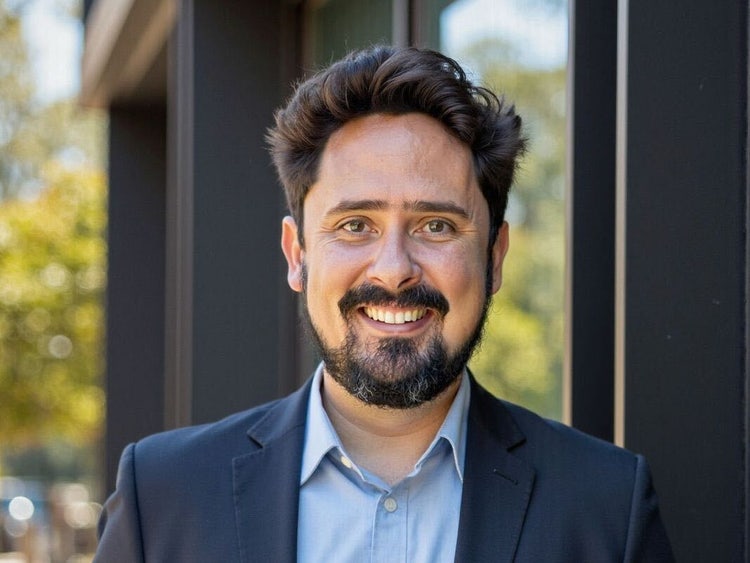
DNX Solutions has hired Thiago Dolabella as its new group CTO to advise and guide clients on their technology journey.
He began his role last Tuesday. Dolabella was previously the founder and CEO of ITSP Nexent.
Speaking to CRN Australia exclusively, Dolabella said his role is to assist customers in making better technology decisions.
“That means working with CIOs, CTOs and business leaders on the questions that come before delivery: which problems are worth solving, which architecture will hold up as their needs change, and how cloud, modernisation, data, AI, cybersecurity and cloud operations should fit together for their organisation,” he said.
“I’ll work closely with our engineering teams so that what we advise is what we can deliver and sustain in production. I’ll also work with AWS and our broader technology partners so customers get the right expertise for the problem in front of them.
He added, “The earlier those conversations happen, the more useful they are. Before a significant investment is committed, there is still room to ask what it is meant to achieve and whether it is the right one.”
For the first year in his role, he aims to understand their customers’ businesses well enough to help them beyond the immediate project.
“That means knowing what their executive teams are trying to achieve, where technology is helping or getting in the way, and building roadmaps around those priorities,” he said.
Dolabella noted that he is also focused on what happens after delivery.
“Many organisations develop sound strategies and then struggle to turn them into lasting results, partly because nobody goes back to check whether the improvement a project promised actually arrived,” he said.
“Customers should be able to see that clearly, and I’d like it to be a normal part of how we work with them.
“A successful first year would mean customers bringing us into their decisions earlier, and being able to point to concrete improvements in how their businesses operate.”
He has also held roles at AWS as principal technical account manager for financial services and principal solutions architect for worldwide public sector across APJ.
He said working at AWS, the biggest lesson he learned is that technology is rarely the hardest part.
“Programs usually succeed or stall on business alignment, organisational readiness and whether the right people are working together,” he said.
“I also saw that customers got the most from partnerships where everyone involved shared the same priorities and was clear about the value the customer was meant to receive.
“Having worked on both the customer and technology provider sides, I know what organisations need from the partners they rely on. I want customers to feel that difference in how we work with them and with AWS.”
The change in the channel landscape
Looking at the Aussie IT channel ecosystem, Dolabella said customers’ environments have become far more interconnected.
“Cloud, AI, data, security and business applications all affect one another, with regulatory requirements and commercial pressure on top, so a decision in one area often has consequences somewhere else,” he said.
“That has changed what customers need from the partners they work with. Technology selection, implementation and specialist expertise still matter.
“What customers increasingly value on top of those is a partner who understands the outcome they’re after, will question the plan when it needs questioning, can connect technologies across vendors and stays accountable after go-live.”
Dolabella believes that AI is accelerating this by automating work that once took significant effort.
“Faster tasks don’t automatically make an organisation more effective, though, and customers are looking for help with that harder question,” he said.
“The relationships that serve them best are becoming longer term and built around continuous improvement rather than one-off projects.”
The biggest challenge he sees is the gap between how fast technology is moving and how quickly organisations can turn it into business value.
“Many are carrying years of technical debt, fragmented platforms and growing cybersecurity obligations. On top of that, they’re being asked to do more with less while responding to regulatory change and AI adoption,” he said.
The difficulty is usually knowing what to prioritise, what has to change first and what should be left alone, Dolabella added.
“Often the most useful question is simply why we’re doing this in the first place. It’s surprising how often a major investment is already underway before anyone has agreed on the problem it’s meant to solve,” he said.
“Where customers can make real progress is in modernising business-critical platforms, improving how enterprise systems integrate, building secure foundations for AI and reducing the operational complexity that holds them back.
“The organisations that benefit most will be the ones making better decisions about where technology creates value, which is a different thing from adopting the most of it.”