Lisa Fortey at Logicalis on how to foster culture in an organisation
The general manager ANZ believes good culture starts from the top.
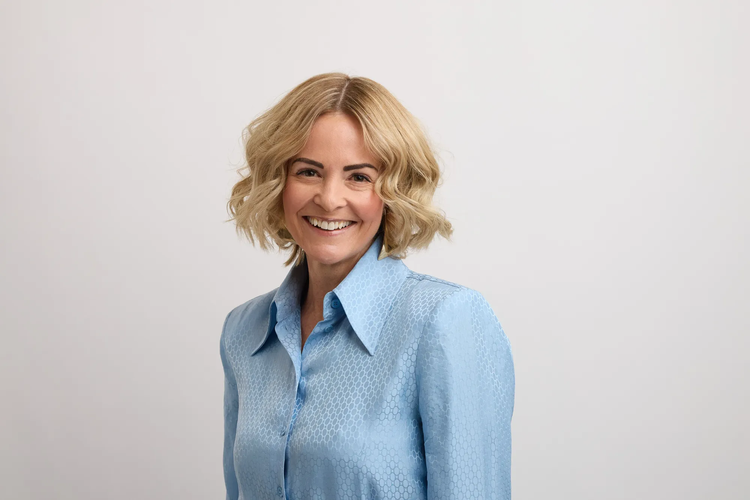
To create a good culture within a partner organisation, Lisa Fortey general manager at Logicalis Australia believes culture starts from the top and trickles down.
Speaking to CRN Australia, she said, from the moment she began her role at Logicalis, she only wants to have “honest” conversations.
“We're really transparent, and so communicating is probably the most important,” she said.
To encourage staff and get the best performance, Fortey explained that high performance starts with culture.
“You can have the best strategy in the world, but if your people aren't aligned, they don't feel empowered, and they don't feel supported, becomes you know very difficult to execute consistently,” she stated.
Fortey noted that leaders should be looking at where they can develop talent.
“One of the things I'm passionate about is creating opportunities for people to step into leadership early,” she said.
“This whole channel industry has got an immense amount of incredible talent, but leaders need to create environments where people feel confident and you know confident about contributing and growing.”
Logicalis uses a global HR platform called Peakon, where they survey their staff every month.
In the initial stages of implementing this platform, for the first few months Fortey said they received “brutal” feedback.
“I love brutal feedback because it's better than not getting any feedback at all,” she said.
“You can work on improving and listening to that feedback, and so that's what we did.”
She encourages her staff to be transparent and tell management how they feel and what they need to change.
Fortey noted that one staff member wanted bean bags in the Malaysian office, so they made that happen.
But other suggestions need a longer runway time to implement, Fortey said.
“But then there are ideas and suggestions that are that are much larger, and they need to have more of a consultative or more of a discussion with the leadership team, we need to work out whether or not it's going to impact financial results, or whether it's going to impact particular teams,” she said.
Regardless, if the team will adopt it or not, Fortey will take the time to respond to comments.
“It's not about promising things that you're never going to be able to deliver. I wouldn't oversell to a customer because I know that we couldn't deliver that and that's the same thing about your people,” she said.
“My business coach has this great saying: happy people equal happy customers, which equal healthy profits.”
For those organisations who are struggling with their culture, Fortey said find out why the culture is suffering.
She has done that through anonymous forums or focus groups where staff can publicly discuss their thoughts.
“Peakon is anonymous, but the focus groups have not been anonymous, and that's given us a huge amount of information that allows us to then find out the root cause of the problem,” she said.
“It can be many different problems, but then it allows us to do something about it, and it also means that people feel like their voice is being heard.”